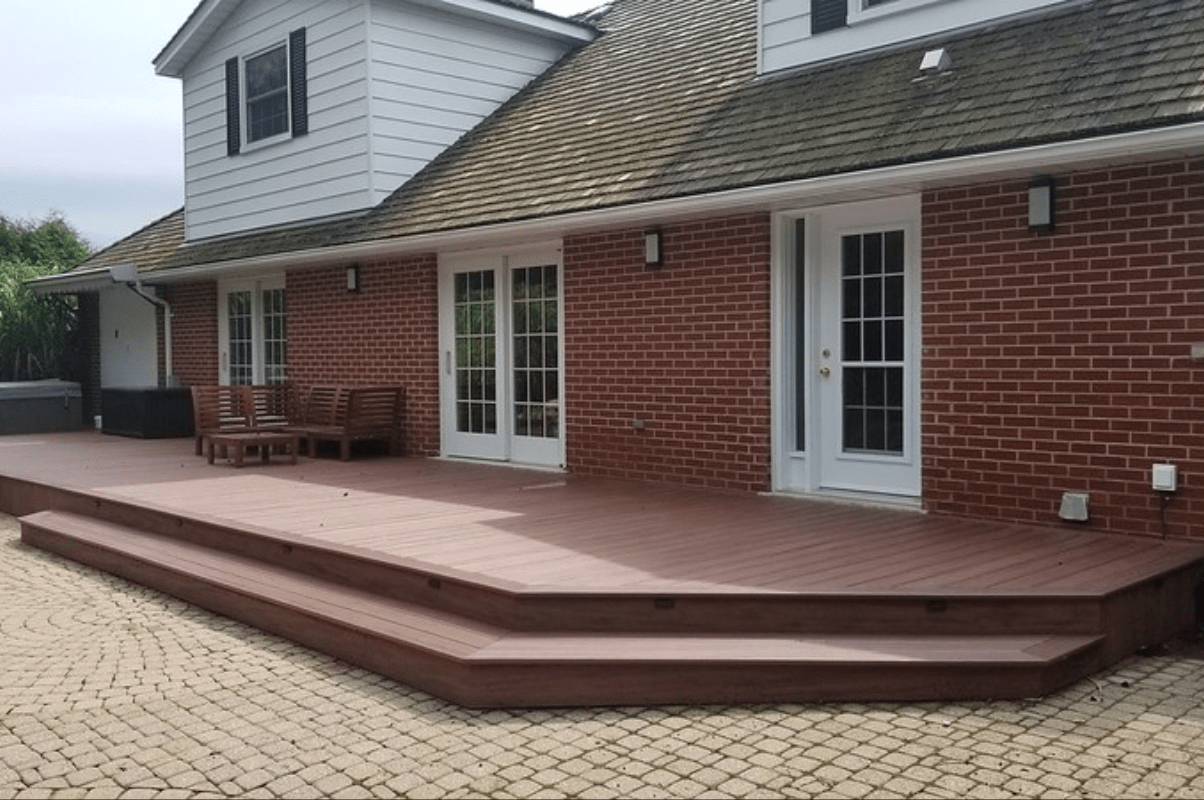
The Basics of Composite Decking and Wood Decking
Composite Decking
Composite decking is made from a blend of plastic and wood fibers, creating a durable and low-maintenance option that’s perfect for modern homeowners. It’s designed to offer the look of natural wood while addressing some of the common pain points associated with traditional decking materials.
Wood Decking
A classic favorite, wood decking carries a timeless charm. It is crafted from natural timber, offering unmatched authenticity and warmth. From cedar to pressure-treated lumber, there are various wood options to choose from, each with its distinct characteristics.
Key Factors to Consider
To decide between composite deck installation and wood deck installation, consider the following factors:
1. Maintenance Requirements
- Composite Decking: Minimal maintenance is one of its biggest selling points. A quick wash with soap and water will keep it looking fresh. No staining, sanding, or sealing is required.
- Wood Decking: Beautiful but high-maintenance, wood requires regular staining and sealing to prevent rot, warping, and insect damage. Over time, splintering may also occur, requiring additional care.
2. Durability
- Composite Decking: Highly durable and resistant to fading, staining, and scratching. It’s also immune to rot and insect damage, making it a long-lasting choice for your outdoor space.
- Wood Decking: While certain wood types like cedar and redwood are naturally resistant to rot and insects, they’re still more susceptible to wear and tear compared to composite materials.
3. Aesthetics
- Composite Decking: Available in a variety of colors and finishes, composite decking can closely mimic real wood while offering a sleek and modern appearance. However, it lacks the organic uniqueness of natural wood grain.
- Wood Decking: If you love the natural beauty of wood, nothing rivals its authentic texture and grain patterns. Wood ages beautifully if properly cared for, developing a rich patina over time.
4. Cost
- Composite Decking: The upfront cost of composite decking is higher than wood, but its low maintenance often makes it more cost-effective in the long run.
- Wood Decking: Typically more affordable initially, wood decking can become expensive over time due to maintenance costs like staining materials, sealants, and repair work.
5. Environmental Impact
- Composite Decking: Many composite materials are eco-friendly, made from recycled plastics and wood byproducts.
- Wood Decking: While wood is a renewable resource, deforestation and the chemicals used in treating wood may raise environmental concerns.
Making the Right Choice
If you’re someone who prioritizes ease of maintenance and long-term durability, composite deck installation is likely the best route for you. On the other hand, if you value the natural texture and warmth of real wood—and don’t mind putting in the extra work to maintain it—wood deck installation is a timeless choice.
Remember, the best decking material for your home depends on your unique needs, budget, and design preferences.
Why Choose ReVamp Fence & Deck for Your Decking Project?
At ReVamp Fence & Deck, we bring expertise and quality craftsmanship to every project. Whether you’re leaning toward the sleek efficiency of composite decking or the rustic charm of wood decking, we’ll guide you every step of the way. We believe in delivering outdoor spaces that not only enhance your home’s beauty but also stand the test of time.
Start Your Decking Journey Today!
Looking to elevate your outdoor space with a new deck? Contact ReVamp Fence & Deck for a free consultation and learn more about our premium wood deck installation and composite deck installation services.
Your dream deck is just a call away—Contact us now!