
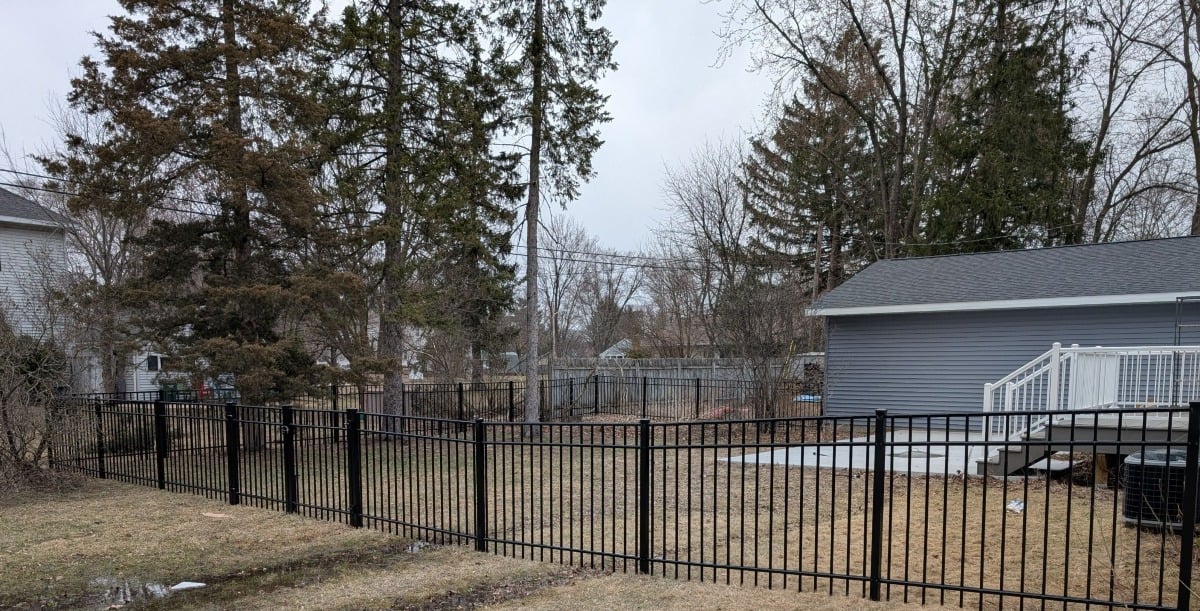
Metal fences offer unmatched durability and security for your property, but they require proper care to maintain their strength and appearance. Rust can quickly transform a beautiful metal fence into an eyesore while compromising its structural integrity. The good news? With the right maintenance routine and preventive measures, you can keep your metal fence looking pristine for decades.
Whether you’ve recently invested in metal fence installation or you’re dealing with an existing fence showing signs of wear, understanding how to prevent and treat rust will save you money and extend your fence’s lifespan significantly.
Key Takeaways
- Regular cleaning, inspection, and protective coating maintenance can prevent most rust issues on metal fences
- Early rust treatment with proper removal techniques and repainting stops minor problems from becoming major repairs
- Professional metal fence installation with quality materials and protective finishes provides the best foundation for long-term rust prevention
Understanding Why Metal Fences Rust
Rust forms when iron in metal reacts with oxygen and moisture in the environment. This chemical process, called oxidation, creates iron oxide—the reddish-brown substance we know as rust. Several factors accelerate this process:
Environmental conditions play the biggest role. High humidity, frequent rain, and coastal salt air speed up rust formation. Properties near industrial areas or roads with heavy salt usage during winter also face increased rust risks.
Fence damage creates entry points for moisture. Scratches, dents, or chips in protective coatings expose bare metal to the elements. Even small imperfections can lead to significant rust problems if left untreated.
Poor installation practices can also contribute to premature rusting. Inadequate drainage around fence posts, improper spacing that prevents air circulation, or using incompatible metals can all accelerate corrosion.
Essential Rust Prevention Strategies
Choose the Right Materials
The foundation of rust prevention starts with your initial metal fence installation. Galvanized steel fences receive a protective zinc coating that significantly slows rust formation. Aluminum fences naturally resist corrosion, while wrought iron requires more maintenance but offers classic aesthetic appeal.
When working with a metal fence company in Evansville IN, discuss coating options during installation. Powder coating provides excellent protection and comes in various colors, while traditional paint offers more frequent touch-up flexibility.
Maintain Proper Drainage
Water pooling around fence posts creates ideal conditions for rust. Ensure proper grading directs water away from fence lines. Clear debris from drainage areas regularly, especially after storms or during fall leaf season.
Consider installing French drains or other drainage solutions in problem areas where water consistently accumulates near your fence.
Apply Protective Coatings
Regular reapplication of protective coatings is crucial for rust prevention. Inspect your fence annually and touch up any areas where coating has worn thin or been damaged.
Before applying new coating, clean the surface thoroughly and remove any existing rust. Use primers specifically designed for metal surfaces, followed by high-quality exterior paint or specialized metal coating products.
Monthly and Seasonal Maintenance Routine
Monthly Inspections
Walk your fence line monthly, looking for signs of damage, loose hardware, or early rust formation. Pay special attention to joints, hinges, and areas where different materials meet. Document problems with photos to track changes over time.
Clean your fence monthly using mild soap and water. Remove dirt, grime, and organic matter that can trap moisture against metal surfaces. A soft brush or cloth prevents scratching protective coatings.
Seasonal Deep Cleaning
Spring and fall require more intensive maintenance. Remove accumulated debris, trim vegetation growing too close to fence lines, and check that sprinkler systems aren’t constantly wetting fence sections.
During fall cleaning, pay extra attention to areas where leaves and organic matter accumulate. These materials hold moisture and can accelerate rust formation if left in place.
Winter Preparation
Before winter arrives, inspect and repair any coating damage. Apply rust-inhibiting products to vulnerable areas. In regions with road salt usage, consider applying additional protective wax coatings to fence sections near roadways.
Treating Existing Rust Damage
Early-Stage Rust Treatment
Small rust spots respond well to immediate treatment. Sand lightly with fine-grit sandpaper to remove rust and create a smooth surface. Clean thoroughly with degreasing agents, then apply rust converter products that chemically transform remaining rust into a protective coating.
Prime treated areas with high-quality metal primer, then paint with matching exterior paint. This process stops rust progression and restores appearance when done promptly.
Advanced Rust Repair
Extensive rust damage may require professional assessment. Large rusted areas often need complete section replacement rather than repair attempts. Deep pitting or structural weakness indicates the need for professional intervention.
Wire brushing or sandblasting may be necessary for heavily rusted sections, followed by complete refinishing. However, if rust has significantly compromised structural integrity, replacement becomes the safer and more cost-effective option.
When to Call Professionals
Certain rust issues exceed DIY capabilities. Contact a metal fence company when you notice:
Structural concerns like loose posts, sagging sections, or gates that no longer function properly. These issues often indicate rust damage to critical components that require professional expertise to assess and repair safely.
Extensive rust coverage affecting large fence sections or multiple areas simultaneously. Professional equipment and experience ensure thorough treatment and proper refinishing techniques.
Recurring rust problems in the same areas despite repeated DIY treatments. This pattern often indicates underlying issues like drainage problems or coating incompatibility that professionals can diagnose and resolve permanently.
Maximizing Your Investment
Proper rust prevention and maintenance protect your property investment while maintaining curb appeal. A well-maintained metal fence can last 50 years or more, while neglected fences may require replacement in as little as 10-15 years.
Regular maintenance costs far less than premature replacement. Setting aside a small annual budget for fence care pays dividends through extended fence life and maintained property values.
Protecting Your Fence Investment
Metal fence installation represents a significant investment in your property’s security, privacy, and appearance. With consistent maintenance and prompt attention to rust issues, your fence will provide decades of reliable service while enhancing property value.
Remember that prevention costs less than repair, and repair costs less than replacement. Establish a regular maintenance routine, address problems promptly, and don’t hesitate to consult professionals when issues exceed your comfort level.
For expert metal fence installation and maintenance services in the Evansville area, contact ReVamp Fence & Deck. Our experienced team helps property owners maximize their fence investments through quality installation and ongoing maintenance support.
Let’s Get Started on
Your Free Quote!
Fill out this handy form or call us now at 844-4-FENCE-NOW to get your free, no-obligation estimate!