

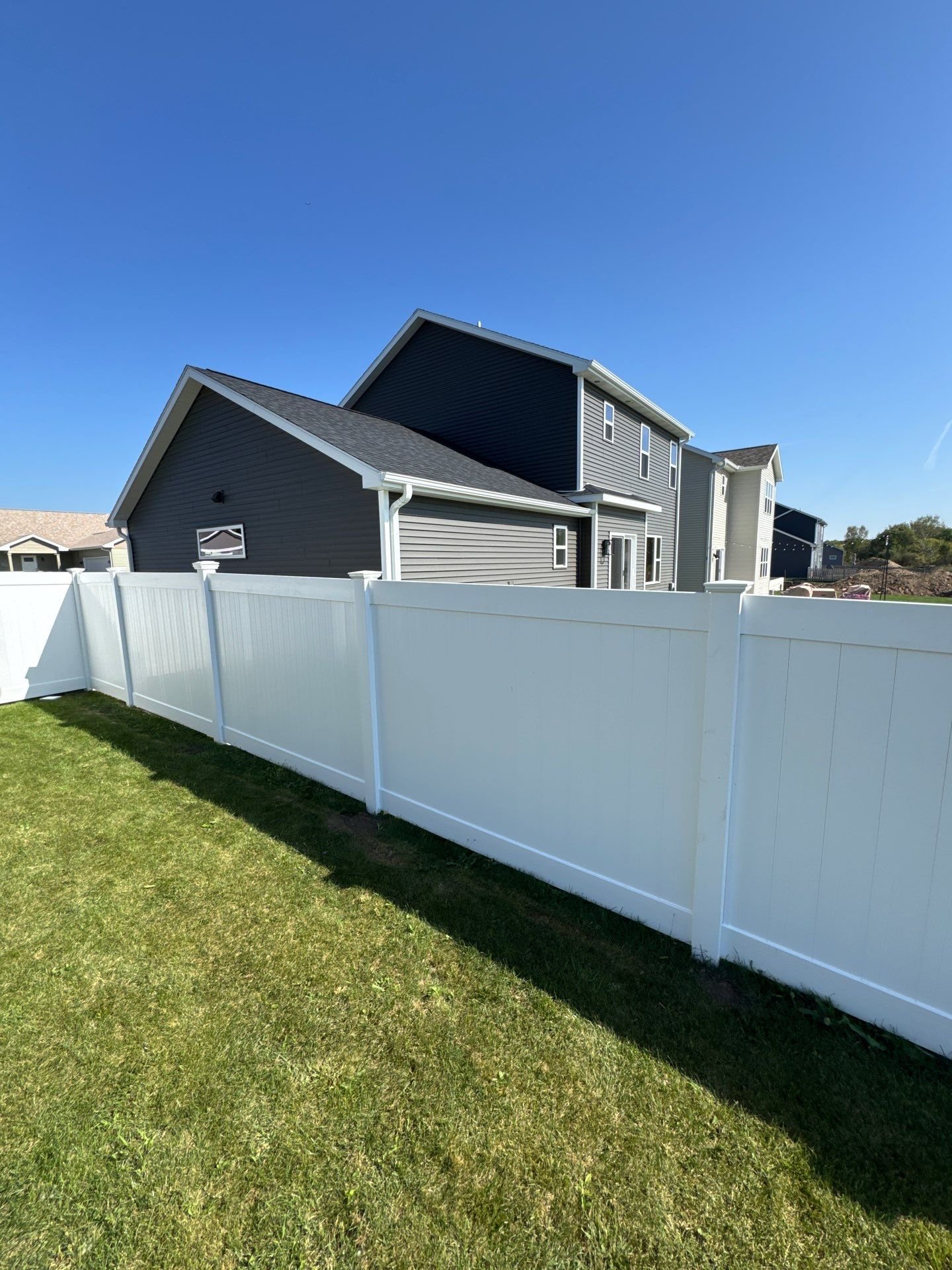
One of the biggest selling points of vinyl fencing is its low-maintenance reputation. Unlike wood, it doesn’t rot, warp, or require annual staining. However, “low maintenance” doesn’t mean “no maintenance.” If you live in Evansville, you know that our distinct seasons—humid summers and wet springs—can leave your bright white fence looking a bit green or dingy over time.
Dirt, pollen, algae, and mildew are the common enemies of a pristine fence. While vinyl is durable, it is not invincible. Using the wrong tools or harsh chemicals can scratch the surface, strip the glossy finish, or even crack the material.
At ReVamp Fence & Deck, we want your property to look its best for years to come. We have compiled this guide to help you safely restore your fence’s curb appeal without causing accidental damage.
Key Takeaways
- Gentle is better: Always start with a garden hose and mild soap before escalating to stronger chemicals or pressure washers.
- Avoid abrasives: Never use steel wool or stiff wire brushes, as these can permanently scratch the vinyl’s protective coating.
- Tackle mold early: Evansville’s humidity encourages algae growth; spot-clean green patches with a vinegar solution as soon as they appear.
Why Your Vinyl Fence Gets Dirty
Before you grab the bucket, it helps to understand what you are cleaning. In the Ohio Valley region, we deal with specific environmental factors. The green film you often see is usually algae or mildew, which thrives in shaded, damp areas. If your fence is near trees, you might also be dealing with sap or tannin stains from falling leaves.
Furthermore, simply cutting your grass can contribute to the mess. Grass clippings thrown against the fence by a mower can stick and dry, creating stubborn, caked-on dirt.
What to Avoid (Do Not Do This)
To protect your investment, you must know what creates damage. Vinyl is a plastic-based material, and while it is tough, its surface finish can be compromised.
- Bleach: While effective at killing mold, undiluted bleach can break down the vinyl’s sheen over time, making it look chalky. It can also harm the plants and grass growing at the base of your fence.
- Abrasive Cleaners: Scouring powders and steel wool act like sandpaper. They leave behind micro-scratches that trap dirt, meaning your fence will get dirty faster in the future.
- High-Pressure Washing: A pressure washer on a high setting can slice right through vinyl or blow off post caps. If you use one, keep it on a low setting.
Step-by-Step Guide to Cleaning Your Fence
You don’t need expensive equipment to get professional-looking results. In fact, you likely have everything you need in your kitchen and garage.
1. Prepare the Area
Clear away any furniture, decorations, or toys near the fence. If you have delicate shrubs or flowers growing along the fence line, wet them down with a hose or cover them with a tarp. This prevents soap and runoff from harming your landscaping.
2. The Initial Rinse
Start by spraying the fence with a regular garden hose. This removes loose dirt, spiderwebs, and dust. For many newer fences, this step alone might be enough to freshen things up. Work from the bottom up to loosen debris, and then from the top down to rinse it away.
3. Mix Your DIY Cleaning Solution
Skip the expensive store-bought chemicals. You can make a safe, effective cleaner with household ingredients.
- The Recipe: Mix 1/2 cup of white vinegar and 1/4 cup of mild dish soap into a gallon of warm water.
The soap cuts through grease and grime, while the vinegar helps kill mold and mildew bacteria without the harshness of bleach.
4. Scrub Gently
Dip a soft-bristled car wash brush or a rag into your solution. Scrub the fence panels, giving extra attention to stained areas. If you are cleaning a large area, work in sections so the soap doesn’t dry on the vinyl before you can rinse it off.
Note on Vinyl Fence Installation: When we perform a vinyl fence installation, we ensure the posts and panels are secure. However, older fences installed by other contractors might be loose. Don’t push too hard on the panels while scrubbing to avoid popping them out of the rails.
5. The Final Rinse
Use your garden hose to rinse the soap away. Make sure to spray thoroughly so no residue is left behind. Soap residue can actually attract more dirt if allowed to dry on the surface.
Dealing with Tough Stains
Sometimes, a simple wash isn’t enough. Here is how to handle specific, stubborn problems.
Red Rust Stains
If you have hard water from your sprinklers hitting the fence, you might see red or orange rust stains. Vinegar usually won’t touch this. Look for a commercial rust remover designed for siding, or use a paste made of lemon juice and baking soda. Apply it, let it sit for 15 minutes, and rinse.
Scuff Marks
Did a bicycle tire or a shoe leave a black mark? These rubber transfer marks come off easily with a melamine sponge (often sold as a “Magic Eraser”). Wet the sponge and gently rub the mark until it disappears.
Persistent Mold
If the vinegar solution didn’t kill the green algae, you can use a stronger solution. Mix a solution of 25% bleach and 75% water. Safety Warning: Wear gloves and eye protection. Apply it carefully to the moldy spots, let it sit for a few minutes (do not let it dry), and rinse thoroughly.
When to Call the Professionals
Routine cleaning is a great DIY project for a Saturday morning. However, sometimes a fence is past the point of cleaning. If your vinyl is cracked, yellowed from sun damage deep within the material, or leaning significantly, scrubbing won’t fix the structural issues.
If you look at your fence and realize it needs more than a wash, it might be time for a repair or a replacement. As a leading Fence Company Evansville IN residents trust, ReVamp Fence & Deck can assess the condition of your perimeter. We can help you decide if a deep clean is worth the effort or if a fresh installation would provide better value and security for your home.
Conclusion
Vinyl fencing is a beautiful asset that enhances your home’s value and privacy. With a little bit of soap, water, and elbow grease, you can keep it looking brand new for decades. Avoiding harsh abrasives and sticking to a regular cleaning schedule prevents dirt buildup from becoming permanent.
If you are ready to upgrade your backyard or need advice on your current layout, contact ReVamp Fence & Deck today. We are here to help with everything from maintenance advice to full installations.
Let’s Get Started on
Your Free Quote!
Fill out this handy form or call us now at 844-4-FENCE-NOW to get your free, no-obligation estimate!