

When choosing a fence for your home, sustainability has become an important factor for many homeowners. But with so many materials and options available, it can be challenging to know which is the eco-friendly choice. Vinyl fencing has grown in popularity due to its durability and low maintenance, but is it really a sustainable option? Let’s explore whether vinyl fencing is the right choice for environmentally conscious homeowners.
What Makes a Fence Eco-Friendly?
An eco-friendly fence is one that minimizes its impact on the environment throughout its lifecycle—from production and installation to maintenance and disposal. Key factors to consider when evaluating the sustainability of a fencing material include:
- Raw Materials: How the material is sourced (e.g., renewable or recycled).
- Lifespan: Longer-lasting materials reduce the need for replacements, saving resources.
- Maintenance Requirements: Materials that don’t require harmful chemicals for upkeep are more environmentally friendly.
- End-of-Life Impact: Recyclability and biodegradability can reduce landfill waste.
What is Vinyl Fencing?
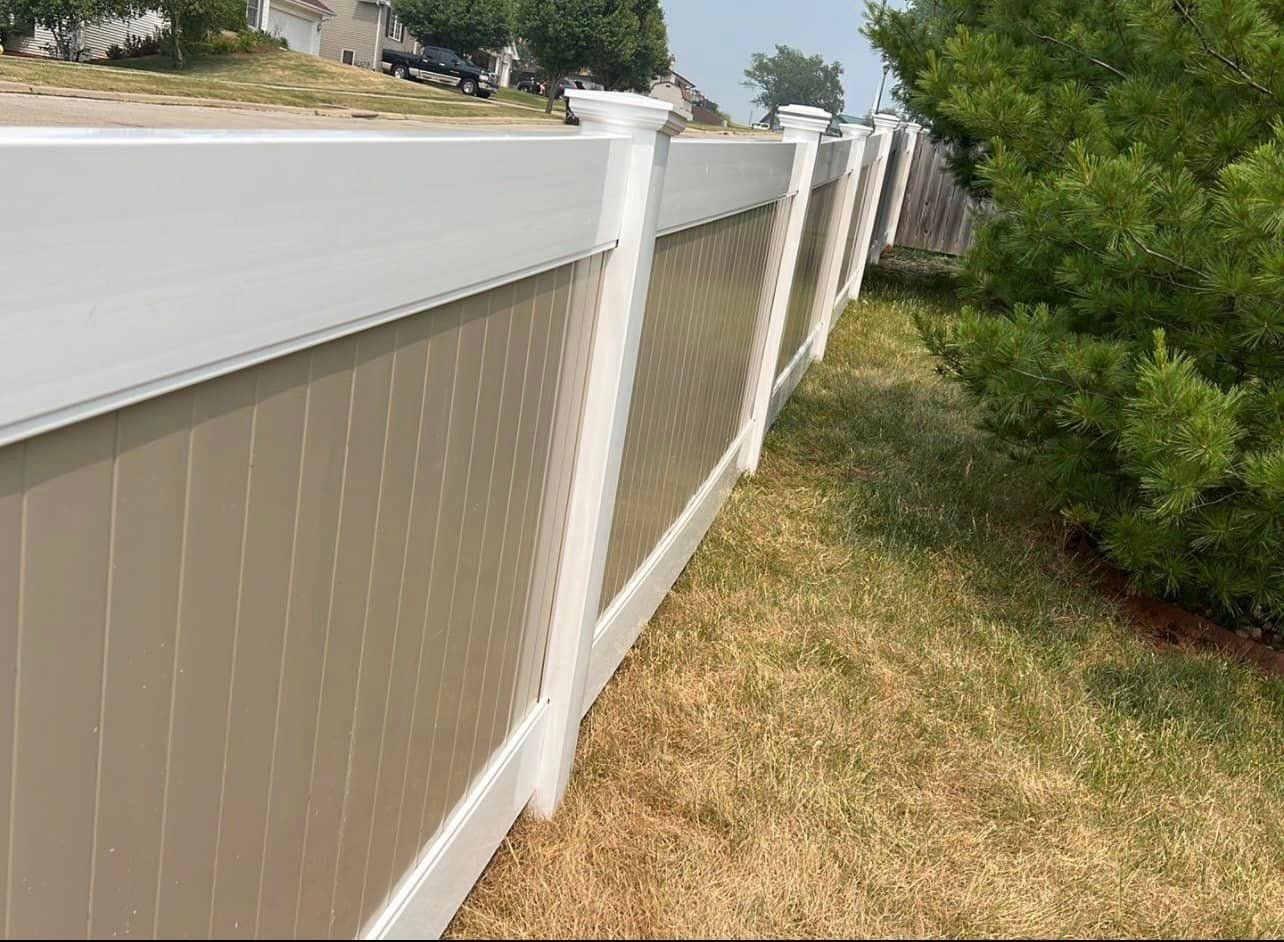
Vinyl fencing is made from polyvinyl chloride (PVC), a strong and durable plastic. It has become a popular choice among homeowners for its sleek look, minimal maintenance requirements, and resistance to weather-related wear and tear. Vinyl fences come in many styles, from classic white pickets to modern privacy panels, making them versatile for different design preferences.
The Pros of Vinyl Fencing
Before we talk sustainability, it’s worth looking at the qualities that make vinyl fencing a favorite for many homeowners:
- Durability: Vinyl fences are highly resistant to rot, rust, and insect damage, ensuring longevity.
- Low Maintenance: Unlike wood fences, vinyl doesn’t require staining or painting and can be cleaned with simple soap and water.
- Aesthetic Versatility: With a variety of designs, vinyl fences can complement almost any home style.
- Cost Effectiveness Over Time: Although the upfront cost can be higher, vinyl fences often save money in the long run due to their minimal maintenance needs.
Is Vinyl Fencing an Eco-Friendly Option?
To determine if vinyl fencing is a sustainable choice, we’ll break it down based on the environmental factors we mentioned earlier.
1. Raw Materials
Vinyl is made from PVC, which is derived from non-renewable fossil fuels. This means it isn’t as environmentally friendly in terms of sourcing as wood or bamboo. However, some vinyl fence manufacturers are making strides by integrating recycled materials into their products. If you prioritize eco-conscious choices, look for companies offering recycled-content vinyl fencing.
2. Lifespan
One of the biggest advantages of vinyl fencing is its longevity. A properly maintained vinyl fence can last 20–30 years or more, outlasting many wood fences. This durability means fewer replacements and less waste over time.
3. Maintenance
Vinyl fencing doesn’t require harmful chemicals like stains, sealants, or pesticides. Regular cleaning can be done with household soap, which keeps its environmental impact during maintenance relatively low. Compared to wood fencing, which may require frequent chemical treatments, vinyl is a more eco-friendly choice in this regard.
4. Recyclability
At the end of its life, vinyl fencing may not biodegrade like wood, but it can often be recycled. Many vinyl fence manufacturers and recycling facilities accept old PVC fencing, preventing it from ending up in landfills. Be sure to work with a reputable vinyl fence company in Aurora, IL, like ReVamp Fence & Deck, that can guide you on proper disposal or recycling options.
5. Energy Efficiency in Manufacturing
One downside to vinyl fencing is the energy-intensive process used to create PVC. While some companies are adopting greener practices, this remains a consideration for homeowners looking for the greenest option.
How to Maximize the Sustainability of Vinyl Fencing
If vinyl fencing aligns with your needs, here are a few ways to make your choice even more eco-friendly:
- Buy Recycled Vinyl: Look for fences made with recycled materials to reduce the demand for new PVC production.
- Choose a Durable Option: Invest in high-quality vinyl fencing to ensure it lasts for decades without needing replacement.
- Partner with a Reliable Installer: Work with a trusted vinyl fence company in Aurora, IL, like ReVamp Fence & Deck, to ensure professional installation and access to eco-conscious options.
- Commit to Recycling: When it’s time to replace your fence, research recycling facilities that accept vinyl fencing materials.
Final Verdict: Is Vinyl Fencing Right for You?
Vinyl fencing may not have the naturally renewable qualities of wood or bamboo, but its longevity, low maintenance needs, and recyclability make it a compelling option for homeowners striving for sustainability. By making mindful choices, such as selecting recycled materials and ensuring proper recycling at the end of its life, you can enjoy all the benefits of vinyl fencing while reducing its ecological footprint.
Why ReVamp Fence & Deck is the Right Choice
At ReVamp Fence & Deck, we specialize in vinyl fence installations that balance style, durability, and sustainability. Whether you’re upgrading your fence or starting fresh, our team is committed to helping homeowners in Aurora, IL, find the perfect fencing solution for their property. From eco-conscious advice to expert craftsmanship, we’re here to help you every step of the way.
Let’s Get Started on
Your Free Quote!
Fill out this handy form or call us now at 844-4-FENCE-NOW to get your free, no-obligation estimate!